Essential Guide to Liver Blood Tests Available in Swanscombe
What Is the Importance of Liver Blood Tests for Your Overall Health?
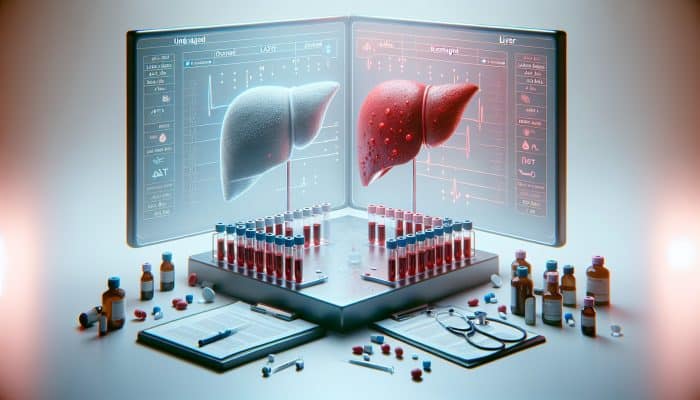
The Liver Blood Test in Swanscombe: Liver blood tests are essential medical evaluations that examine liver health and functionality through specific enzymes and proteins found in the bloodstream. These assessments are crucial for diagnosing various liver disorders, tracking ongoing liver health, and guiding treatment strategies. Important enzymes like alanine aminotransferase (ALT) and aspartate aminotransferase (AST) are closely monitored, as elevated levels may signal possible liver damage or disease. Understanding the implications of these test results is vital, given the liver’s essential functions in metabolism and detoxification, significantly impacting a patient’s overall health journey.
Moreover, liver blood tests yield valuable insights into different conditions, including viral hepatitis and fatty liver disease. By detecting abnormalities in liver function, healthcare professionals can initiate timely interventions that are critical for preventing further complications. Regular monitoring of liver health through these assessments is particularly important for individuals at higher risk due to factors like obesity, excessive alcohol consumption, or a family history of liver diseases.

Why Opt for Liver Blood Testing Services in Swanscombe for Your Health Needs?
Swanscombe stands out as an excellent option for those seeking liver blood tests, thanks to its dependable and accessible healthcare services. The town is home to a variety of medical facilities equipped with modern technology and staffed by skilled professionals committed to providing outstanding patient care. Local clinics and hospitals in Swanscombe prioritize patient comfort and testing accuracy, ensuring individuals receive timely and precise results.
Additionally, Swanscombe features a supportive healthcare community that allows patients to easily access follow-up consultations and comprehensive care plans. This local expertise, coupled with the convenience of nearby testing centers, creates a reassuring environment for individuals concerned about their liver health. The town’s focus on patient education enhances the overall experience, empowering individuals to make informed health decisions.
Essential Preparations Needed Before Your Liver Blood Test
Before undergoing a liver blood test in Swanscombe, adequate preparation is crucial to ensure the accuracy of the results. Typically, patients should fast for a minimum of 8-12 hours prior to testing. This fasting period is essential for obtaining an accurate measurement of liver enzyme levels, free from interference due to recently consumed food or beverages. Furthermore, individuals must inform their healthcare provider about any medications or supplements they currently take, as certain substances can influence blood test results.
In addition, it is advisable to refrain from strenuous physical activity and alcohol consumption in the days leading up to the test to avoid placing unnecessary stress on the liver. Patients should also consult their healthcare provider for any specific instructions tailored to their health conditions or personal circumstances. By preparing carefully, individuals can enhance the reliability of their test results, ultimately improving the effectiveness of healthcare interventions when necessary.
How to Effectively Interpret Your Liver Blood Test Results

Once the liver blood test is completed in Swanscombe, a healthcare provider will analyze and clarify the results for the patient. Understanding these results is critical, as they provide valuable insights into liver function and overall health status. Common indicators assessed include liver enzyme levels, bilirubin, and proteins, which help determine whether the liver is functioning optimally or if any issues require attention. Each value reported during the test can deliver critical information concerning liver health.
The healthcare provider will compare the results against established normal ranges to identify any discrepancies. If any levels are found to be elevated or diminished, further investigation may be necessary to uncover underlying conditions. Potential follow-up actions may include additional tests, referrals to specialists, or lifestyle recommendations aimed at enhancing liver health. Therefore, fostering open communication with healthcare providers is vital to ensure patients remain well-informed about the implications of their results and any subsequent steps that may be required.
What Are the Steps to Schedule a Liver Blood Test in Swanscombe Successfully?
How Can I Book My Liver Blood Test Appointment?
Scheduling a liver blood test in Swanscombe is a simple process that involves several key steps. First, patients should contact their preferred healthcare provider or clinic via phone or, where available, through their online booking platform. It is advisable to specifically inquire about the availability of liver blood testing services and any preparatory measures needed before the appointment.
Once contact is made, patients will need to confirm an appointment date and time. During this interaction, medical staff will provide instructions regarding fasting and any additional preparations required for the test. Adhering strictly to these guidelines is critical for ensuring reliable test results. Patients may also wish to verify whether the facility accepts walk-in appointments or if prior scheduling is necessary, as policies can vary among providers in Swanscombe.
Can I Secure a Same-Day Appointment for My Liver Blood Test?

Many healthcare facilities in Swanscombe offer same-day appointments for liver blood tests, depending on availability. This option is especially beneficial for individuals facing urgent health concerns or those who have not had the opportunity to plan ahead. To secure a same-day appointment, it is advisable to reach out to the healthcare provider early in the day, as these slots can fill up quickly.
If a same-day appointment is unavailable, clinics may offer the option to book the next available time slot. Patients should always communicate the urgency of their situation when scheduling, as this can assist the healthcare team in accommodating their needs. Additionally, some clinics may provide flexible hours, which can be advantageous for those with busy schedules or work commitments.
What Important Documents Should I Bring to My Appointment?
When attending a liver blood test appointment in Swanscombe, it is essential to bring the necessary documents to facilitate a smooth process. Patients should present a valid form of identification, such as a passport or driver’s license, to confirm their identity. Furthermore, any health insurance information should be provided to aid in the proper processing of the appointment.
Additionally, compiling a record of relevant medical history or current medications is highly beneficial. This information assists healthcare providers in making informed decisions regarding testing and potential follow-up care. Patients are encouraged to organize this information in advance to prevent oversights during their appointment, ultimately contributing to a more efficient and effective testing experience.
Real-Life Success Stories and Insights on Liver Blood Tests in Swanscombe
What Are Real-World Examples of Positive Outcomes from Liver Blood Tests in Swanscombe?
Real-life examples of successful liver blood test outcomes in Swanscombe can provide reassurance to patients regarding the effectiveness of these evaluations. For instance, a local patient who faced unexplained fatigue underwent a liver blood test, which revealed elevated liver enzyme levels. This finding prompted further investigations, resulting in a diagnosis of non-alcoholic fatty liver disease. Through dietary changes and ongoing monitoring, the patient took charge of their health by adopting a healthier lifestyle, significantly improving their liver function.
Another compelling instance involves a 55-year-old male without any previous liver concerns who was advised to undergo routine testing due to his high alcohol consumption. His liver blood test results indicated mild liver dysfunction, leading to discussions with his healthcare provider about reducing alcohol intake and adopting a liver-friendly diet. With focused lifestyle alterations and consistent follow-ups, the patient successfully normalized his liver enzyme levels within months, highlighting the importance of proactive testing and management.
What Practical Steps Can You Take to Understand Your Liver Blood Test Results?
Understanding and interpreting liver blood test results is crucial for patients wishing to take control of their liver health effectively. One practical step is to request a detailed explanation of each value reported from the healthcare provider, as they can clarify the significance of elevated or reduced levels. Each enzyme or marker has a specific reference range, and knowing where one’s results fall within these ranges is essential for informed decision-making.
Another significant step involves comparing the results with previous tests, if available, to identify any changes over time. Engaging in a thorough discussion with a healthcare provider can provide clarity regarding the potential causes of any abnormalities, whether they relate to lifestyle factors, medications, or underlying health conditions. If necessary, patients should not hesitate to seek additional opinions or further testing to ensure a comprehensive understanding of their liver health status.
What Expert Insights Emphasize the Necessity of Routine Liver Blood Tests?
Regular liver blood tests are vital for monitoring liver health, particularly for individuals at risk of liver diseases. Healthcare professionals in Swanscombe stress that consistent testing can unveil early signs of liver dysfunction, enabling timely intervention and management. Conditions such as cancerous changes, hepatitis infections, and fatty liver disease can frequently be detected through these assessments before significant symptoms emerge.
Moreover, for individuals already diagnosed with liver conditions, ongoing blood tests are essential for evaluating the effectiveness of treatment plans and making necessary adjustments. By consistently monitoring liver health, patients can work collaboratively with their healthcare providers to ensure optimal care and enhance long-term outcomes. The cumulative benefits of regular testing can lead to a deeper understanding of one’s liver health and proactive measures to maintain it.
What Common Liver Conditions Can Liver Blood Tests Identify?
How Are Liver Blood Tests Utilized to Detect Hepatitis?
Liver blood tests are instrumental in detecting hepatitis, as they evaluate the levels of specific liver enzymes and antibodies associated with the virus. Elevated liver enzyme levels, such as AST and ALT, may signify liver inflammation, commonly seen in cases of hepatitis. Additionally, a comprehensive liver blood test may include serological markers for hepatitis A, B, or C, identifying antibodies or viral genetic material in the bloodstream.
For example, a patient exhibiting symptoms like fatigue, jaundice, or abdominal pain may undergo testing that reveals elevated enzyme levels alongside positive antibodies for hepatitis B. This information is vital for healthcare providers to accurately diagnose the condition, assess the extent of liver damage, and develop an effective treatment plan. Early diagnosis through blood tests is crucial, as it allows for timely medical intervention, significantly improving health outcomes and reducing complications associated with hepatitis.
Can Liver Blood Tests Effectively Diagnose Cirrhosis?
While liver blood tests significantly contribute to assessing liver function, they are not definitive for diagnosing cirrhosis. Instead, these tests can indicate signs of liver damage and dysfunction that may suggest cirrhosis is present. Elevated liver enzyme levels, prolonged prothrombin time, and abnormal bilirubin levels can all signify underlying liver damage characteristic of cirrhosis.
Healthcare professionals often utilize liver blood test results alongside clinical evaluations and imaging studies, such as ultrasounds, to arrive at a cirrhosis diagnosis. For instance, a patient with a history of heavy alcohol consumption may exhibit blood tests showing liver dysfunction, prompting further investigation. Although blood tests can suggest the likelihood of cirrhosis, a definitive diagnosis may require a liver biopsy or other imaging techniques to assess the liver’s structure and the extent of fibrosis.
What Other Liver Conditions Can Blood Tests Help Identify?
Liver blood tests can detect a range of conditions beyond hepatitis and cirrhosis. Conditions such as fatty liver disease, both alcoholic and non-alcoholic, can be identified through elevated liver enzyme levels and specific metabolic markers. Autoimmune liver disease is another condition that may be diagnosed, where the body’s immune system mistakenly attacks liver cells, leading to inflammation and damage.
Additionally, liver blood tests can aid in diagnosing conditions like hemochromatosis, characterized by excess iron accumulation in the liver, and Wilson’s disease, a genetic disorder causing copper build-up. Identifying these conditions through blood tests is essential for initiating appropriate treatment and management strategies. For example, a patient with elevated ferritin levels may be further evaluated for hemochromatosis, leading to timely intervention to prevent long-term complications.
How Can Liver Blood Tests Assist in Identifying Liver Cancer?
The detection of liver cancer through blood tests typically involves monitoring levels of alpha-fetoprotein (AFP), a protein that may be elevated in individuals with liver malignancies. While not exclusively diagnostic, elevated AFP levels can indicate the potential presence of liver cancer and necessitate further diagnostic imaging or biopsies for confirmation. Liver blood tests also assist in evaluating liver function in patients at risk for cancer due to chronic liver diseases.
For example, a patient with chronic hepatitis C may have their liver enzyme and AFP levels monitored regularly. If AFP levels increase significantly, it could suggest potential liver cancer, requiring immediate follow-up actions such as ultrasound or CT scans. Early detection via liver blood tests has been shown to improve survival rates, underscoring the importance of routine monitoring, especially for high-risk populations.
Can Liver Blood Tests Identify Disorders of the Biliary Tract?
Liver blood tests effectively identify conditions affecting the biliary tract by measuring bilirubin and alkaline phosphatase levels. Elevated bilirubin levels can indicate obstruction or inflammation of the bile ducts, suggesting potential biliary tract disorders such as cholangitis or gallstones. High alkaline phosphatase levels may also indicate cholestasis, a condition where bile flow is compromised.
For instance, a patient presenting with jaundice might undergo liver blood tests revealing elevated bilirubin and alkaline phosphatase levels. These findings can guide further diagnostic imaging to assess for blockages or other abnormalities in the bile ducts. Timely identification of biliary tract disorders through blood tests is crucial, as prompt intervention can prevent severe complications and enhance patient outcomes.
Grasping the Significance of Liver Blood Test Results
What Do Elevated Liver Enzyme Levels Indicate About Liver Health?
High levels of liver enzymes such as ALT and AST in blood tests typically signify liver damage or inflammation. These enzymes are released into the bloodstream when liver cells sustain injury, reflecting underlying conditions such as hepatitis, fatty liver disease, or cirrhosis. Thus, elevated enzyme levels serve as critical warning indicators for healthcare providers, necessitating further investigation and management.
For example, a patient with significantly raised ALT levels may undergo evaluation for viral hepatitis or alcohol-related liver injury. Understanding these results is essential, as healthcare providers will assess the severity and potential causes behind the enzyme elevations. This investigation could involve a variety of diagnostic tools, including imaging studies or additional blood tests, leading to a tailored treatment plan based on the specific needs of the patient.
How Are Normal Ranges for Liver Tests Determined and Interpreted?
Normal ranges for liver blood test results are established through extensive studies involving large populations. These ranges account for factors such as age, sex, and overall health, providing a baseline for comparison. Healthcare providers utilize these established values to interpret test results effectively, identifying whether a patient’s levels fall within normal limits or indicate potential liver issues.
It is important to note that normal ranges may vary slightly between laboratories due to differences in testing methodologies and equipment. Therefore, when discussing results with a healthcare provider, it is beneficial to refer to the specific reference ranges provided by the testing laboratory. This understanding ensures that patients receive accurate interpretations of their liver health status and facilitates appropriate follow-up actions when needed.
What Follow-Up Tests Might Be Suggested After Liver Blood Tests?
If liver blood test results are abnormal, healthcare providers often recommend follow-up tests to further investigate the underlying cause. These follow-up tests may include imaging studies such as ultrasounds, CT scans, and visual assessments to evaluate the liver’s structure and identify any irregularities. Additionally, patients may undergo further blood tests to measure specific markers for conditions such as hepatitis or overall liver function.
In some cases, a liver biopsy may be necessary to obtain a definitive diagnosis, especially if conditions like cirrhosis or liver cancer are suspected. These follow-up actions are essential for establishing a comprehensive understanding of the patient’s liver health and determining the most suitable treatment or management plan moving forward. Engaging in open discussions with healthcare providers helps patients navigate this process with clarity and confidence, fostering a collaborative approach to their health.
Can Medications Affect Liver Test Results?
Certain medications can indeed influence liver test results, potentially leading to elevated enzyme levels or other abnormalities. It is crucial for patients to inform their healthcare providers about all medications, including over-the-counter drugs and supplements, before undergoing blood tests. Some commonly prescribed medications, like statins, acetaminophen, and certain antibiotics, are known to impact liver enzyme levels.
For example, a patient taking statins for managing cholesterol may experience elevated liver enzymes during routine blood tests. In such instances, healthcare providers may opt to monitor the patient closely or adjust their medication regimen to prevent potential liver injury. Understanding the relationship between medications and liver test results enables a more informed approach to patient care, ensuring that necessary adjustments can be made promptly.
How Often Should Liver Function Tests Be Conducted for Optimal Health?
The frequency of liver function tests largely depends on individual health conditions and risk factors. For healthy individuals without significant risk factors, routine testing may be recommended annually or as part of a comprehensive health assessment. However, individuals with existing liver conditions or risk factors such as heavy alcohol consumption or obesity may require more frequent testing, ranging from every few months to quarterly.
Furthermore, those taking medications that may affect liver function should also be monitored through regular testing. Collaborative discussions with healthcare providers can help patients determine the appropriate schedule for liver function tests based on their unique health circumstances. This proactive approach is essential for maintaining optimal liver health and addressing any issues promptly.
Strategic Approaches to Liver Blood Tests in Swanscombe
What Are the Key Advantages of Liver Blood Tests in Swanscombe?
Liver blood tests in Swanscombe offer numerous advantages that are crucial for maintaining liver health. Notable benefits include:
- Early detection of liver conditions allows for timely intervention.
- Regular monitoring of liver health aids in tracking changes over time.
- Guidance for treatment plans based on accurate test results.
- Accessibility and convenience provided by local healthcare facilities.
- Expertise of seasoned professionals ensures reliable outcomes.
- Comprehensive patient education about liver health and management.
- Integration of lifestyle recommendations to enhance liver function.
By leveraging these advantages, residents of Swanscombe can proactively manage their liver health effectively. The availability of local testing options enhances community health by ensuring individuals have access to essential services that support their overall well-being.
What Best Practices Should You Follow to Maintain Optimal Liver Health?
To promote optimal liver health, individuals should adopt a holistic approach that encompasses various best practices. Firstly, embracing a balanced diet rich in fruits, vegetables, whole grains, and healthy fats is essential. Nutrients from these foods equip the body with the necessary tools to function optimally and safeguard liver health. Additionally, limiting alcohol intake is critical, as excessive consumption can lead to liver damage and diseases over time.
Moreover, avoiding harmful substances, including recreational drugs and certain over-the-counter medications, can help protect liver function. Engaging in regular physical activity is also encouraged, as exercise promotes a healthy weight and improves metabolic health, reducing the risk of fatty liver disease. Routine check-ups, including liver blood tests, are vital for monitoring liver health and detecting potential issues early, enabling proactive management and necessary lifestyle adjustments.
How to Ensure the Accuracy of Your Liver Blood Tests?
Ensuring the accuracy of liver blood tests is crucial for obtaining reliable results and effectively managing liver health. Patients should strictly adhere to all pre-test instructions, including fasting, to minimize variables that could affect results. It is also essential to communicate openly with healthcare providers about any medications or supplements currently being taken, as some can interfere with liver function tests.
Furthermore, selecting reputable healthcare facilities known for their diagnostic capabilities can enhance the reliability of testing. Patients should feel empowered to ask questions regarding the testing process and the qualifications of the staff involved. By following these guidelines, individuals can significantly improve the accuracy of their liver blood tests, ensuring that any necessary follow-up actions are based on solid, trustworthy data.
Where Can You Access Liver Blood Tests in Swanscombe?
Liver blood tests in Swanscombe are readily available at various local clinics and specialized diagnostic centers. This accessibility ensures that residents can easily obtain essential health services without traveling far from home. Many general practice surgeries offer blood testing services, while dedicated diagnostic centers may provide a more extensive array of tests.
Patients are encouraged to explore their options and choose a facility that meets their needs. When scheduling an appointment, it is wise to inquire about the specific tests available and whether follow-up consultations are offered to discuss results and recommendations. This comprehensive approach to liver health fosters a supportive healthcare environment, empowering patients to take control of their wellness journey.
Understanding the Financial Aspects and Insurance Coverage for Liver Blood Tests in Swanscombe
What Are the Typical Costs Associated with Liver Blood Tests?
The cost of liver blood tests in Swanscombe can vary based on several factors, including the healthcare provider and the specific tests performed. Generally, patients can expect to pay between £50 and several hundred pounds, influenced by whether the test is part of a comprehensive health check-up or a standalone procedure. It is advisable for patients to inquire about pricing when scheduling their appointment to avoid unexpected charges.
Additionally, some healthcare providers may offer package deals that encompass multiple tests or follow-up consultations, providing better value. Patients are encouraged to compare prices and services among different facilities to ensure they receive quality care at a reasonable cost. Understanding the financial aspects of liver blood tests can help eliminate barriers to accessing necessary health services, supporting the prioritization of their well-being.
Is Insurance Coverage Common for Liver Blood Tests?
Many insurance plans in the UK do cover liver blood tests, though coverage can vary significantly across different providers and policies. Patients should check with their insurance companies to ascertain whether liver function tests are included under their plan and what specific conditions apply. Understanding the terms of coverage can assist individuals in planning for any out-of-pocket expenses.
Furthermore, it is essential to confirm whether a referral from a healthcare provider is required to qualify for insurance coverage. Some insurance policies may mandate authorization for specific tests, so verifying these details in advance can prevent delays in receiving necessary medical care. Taking proactive steps to understand insurance coverage ensures that patients are informed and can make decisions that align with their financial situations.
Are Financial Assistance Programs Available for Liver Blood Tests?
Certain healthcare facilities in Swanscombe may offer financial assistance programs or payment plans for patients requiring liver blood tests but facing financial difficulties. These programs aim to reduce barriers to accessing essential health services, ensuring that individuals do not have to compromise their health due to financial constraints. Patients can inquire about such options when making their appointments, as staff members are often willing to provide information and guidance on available resources.
Additionally, local organizations and health initiatives may offer support for patients needing testing. Individuals should explore all available avenues for financial assistance, as this can significantly affect their ability to prioritize health and wellness without undue financial stress. Education about available resources empowers patients to make informed decisions regarding their healthcare.
Where to Find Liver Blood Test Services in Swanscombe
Which Local Clinics Offer Liver Blood Testing Services?
Numerous clinics in Swanscombe provide liver blood testing, ensuring patients have access to essential diagnostic evaluations. General practice surgeries frequently offer basic liver function tests as part of their routine services, while specialized diagnostic centers may present a more comprehensive range of tests tailored to individual health needs. Patients should consider their healthcare provider’s reputation and proximity when selecting a testing facility.
Moreover, some local hospitals may offer liver blood tests as part of their laboratory services, providing another option for patients seeking these vital evaluations. When scheduling appointments, it is advisable to confirm the specific types of tests available and whether follow-up consultations will be conducted to discuss results and treatment options. Access to a variety of facilities enhances community health by providing essential services close to home.
Are Mobile Testing Services for Liver Blood Tests Accessible in Swanscombe?
Mobile testing services for liver blood tests may be available in Swanscombe, offering the convenience of in-home testing or testing at alternative locations. These services can be particularly beneficial for individuals with mobility challenges or those who prefer the comfort of being tested in their own environment. Patients interested in mobile testing should inquire with local healthcare providers about the availability of such options.
Mobile testing services typically maintain the same quality and accuracy standards as traditional testing facilities, ensuring that patients receive reliable results regardless of the testing location. Engaging with healthcare providers about mobile options can enhance access to necessary testing, supporting the effective prioritization of their liver health.
How Can I Access My Liver Blood Test Results?
After completing a liver blood test in Swanscombe, patients typically have various options for accessing their results. Many clinics provide online patient portals that allow individuals to securely view their test results from the comfort of their homes. This modern approach offers convenience and immediate access to critical health information.
Additionally, patients may receive their results through traditional mail or schedule a follow-up appointment with their healthcare provider to discuss the outcomes in detail. Understanding how to access test results is crucial for patients, as it enables timely discussions regarding any necessary follow-up actions or treatment plans based on the findings.
Dietary and Lifestyle Recommendations for Supporting Optimal Liver Health
What Foods Are Beneficial for Enhancing Liver Health?
A nutritious and balanced diet plays a significant role in supporting liver health. Foods rich in antioxidants, vitamins, and healthy fats can help maintain optimal liver function and prevent disease. Leafy greens, such as spinach and kale, are especially beneficial due to their high chlorophyll content, which aids in detoxifying the liver. Incorporating a variety of fruits, particularly berries, provides essential antioxidants that combat oxidative stress and inflammation.
Furthermore, fatty fish high in omega-3 fatty acids, such as salmon and sardines, support liver health by reducing fat accumulation and inflammation. Nuts, especially walnuts, also provide healthy fats and nutrients that enhance liver function. Individuals should aim to regularly include these liver-friendly foods in their diets to promote healthy liver function and reduce the risk of conditions like fatty liver disease.
How Does Alcohol Consumption Impact Liver Health?
Excessive alcohol consumption poses significant risks to liver health and can lead to various liver diseases, including alcoholic hepatitis and cirrhosis. When the liver is consistently exposed to high levels of alcohol, it can become inflamed, and liver cells may sustain damage. This injury can lead to scarring (fibrosis) and ultimately cirrhosis, severely impairing liver function.
Consequently, moderating alcohol intake is crucial for maintaining a healthy liver. The UK guidelines recommend that adults do not regularly exceed 14 units of alcohol per week, and incorporating alcohol-free days can help mitigate potential harm. Individuals with existing liver conditions or a family history of liver disease should consider abstaining from alcohol altogether. Understanding the effects of alcohol on liver health empowers individuals to make informed choices that protect their well-being.
What Key Lifestyle Tips Can Enhance Liver Health?
Maintaining liver health involves adopting a holistic approach that incorporates various lifestyle choices. Key recommendations for supporting liver function include:
- Engaging in regular physical activity to maintain a healthy weight.
- Staying hydrated by consuming plenty of water throughout the day.
- Avoiding smoking and exposure to harmful substances.
- Limiting processed foods and sugars in the diet.
- Ensuring adequate sleep to support metabolic health.
- Regularly monitoring liver health through blood tests.
- Incorporating stress-reducing practices, such as mindfulness or yoga.
By integrating these lifestyle tips into daily routines, individuals can effectively support their liver health and overall well-being. Proactively engaging in health maintenance fosters a positive relationship with one’s body, empowering individuals to take control of their health outcomes.
Frequently Asked Questions About Liver Blood Tests
What is a liver blood test?
A liver blood test measures liver enzymes and proteins to assess liver function and identify potential liver diseases.
How long does it take to receive liver blood test results?
Results typically take 1-2 days, although this can vary depending on the testing facility.
Do I need to fast before a liver blood test?
Yes, fasting for 8-12 hours is generally recommended to ensure accurate results.
Can I eat or drink before a liver blood test?
No, it is advisable to avoid food and drink other than water prior to the test.
What should I do if my liver blood test results are abnormal?
Discuss the results with your healthcare provider to understand the implications and possible follow-up actions.
Are liver blood tests painful?
The test involves a blood draw, which may cause slight discomfort, but it is usually quick and manageable.
How often should I get liver blood tests?
The frequency depends on individual health conditions; annual testing is common for healthy individuals.
Can liver blood tests detect liver cancer?
Yes, elevated AFP levels in liver blood tests can indicate liver cancer, prompting further investigation.
What lifestyle changes can improve liver health?
Maintaining a balanced diet, exercising regularly, and limiting alcohol can significantly enhance liver health.
Is insurance likely to cover liver blood tests?
Many insurance plans cover liver blood tests; check with your provider for specifics regarding your plan.
Connect with us on Facebook!
This Article Was First Found On https://bloodtest.co.uk
The Article Liver Blood Test: Your Essential Guide for Swanscombe Was Found On https://limitsofstrategy.com


No responses yet