Understanding the Critical Importance of Cholesterol Blood Tests for Heart Health
Why Prioritizing Cholesterol Testing is Essential for Maintaining Optimal Heart Health
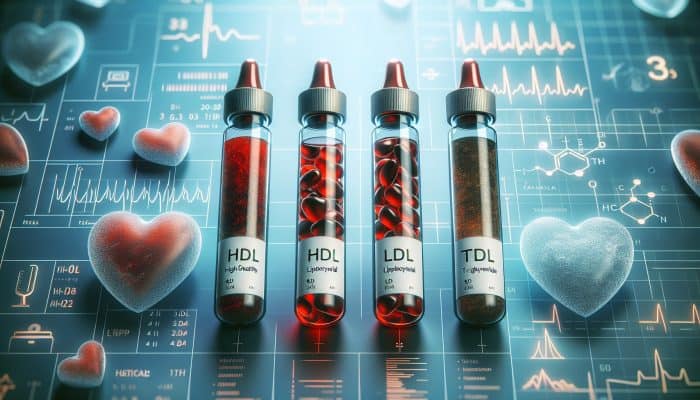
The Cholesterol Blood Test in Eccles is an indispensable tool for evaluating your overall heart health. This crucial examination measures three essential lipid types found in your bloodstream: high-density lipoprotein (HDL), low-density lipoprotein (LDL), and triglycerides. Gaining insights into these levels is vital for assessing your risk of heart disease and various other cardiovascular health concerns. This test is particularly essential for preventive healthcare, allowing healthcare providers to identify individuals who may be at an increased risk for conditions such as atherosclerosis or heart attacks. By committing to regular cholesterol testing, you can proactively manage your health and reduce the likelihood of serious complications in the future.
What to Anticipate During Your Cholesterol Blood Testing Experience
The process of undergoing a cholesterol blood test is straightforward and is typically performed within a healthcare environment. A qualified healthcare professional will collect a small blood sample, usually from a vein in your arm, using a sterile needle. This quick procedure typically lasts just a few minutes, resulting in minimal discomfort for the patient. After the blood sample is drawn, it is sent to a laboratory for thorough analysis, where the levels of HDL, LDL, and triglycerides are meticulously measured. This efficiency makes cholesterol testing a convenient and accessible means for anyone eager to effectively monitor their heart health.
Identifying Who Should Consider Regular Cholesterol Testing
Routine cholesterol testing is recommended for a wide range of individuals, particularly adults aged 40 and older. Those with a family history of heart disease, along with individuals diagnosed with conditions such as high blood pressure or diabetes, should contemplate more frequent evaluations. Regular monitoring can lead to the timely identification of potential health issues, promoting early intervention. It is crucial to consult with your GP to determine the appropriate frequency of testing based on your personal health history, risk factors, and lifestyle choices.
The Advantages of Regular Cholesterol Testing for Your Overall Health

How Early Identification of Cholesterol Levels Can Significantly Impact Lives
The primary advantage of regular cholesterol testing lies in the early identification of potential health dangers. By detecting elevated cholesterol levels before they escalate into serious health complications, individuals can take proactive measures to reduce these risks. This proactive strategy greatly diminishes the likelihood of developing heart disease or experiencing a stroke. By making well-informed lifestyle decisions based on test results, such as adopting healthier dietary habits or increasing physical activity levels, you can positively influence your overall health and manage your risks more effectively.
Evaluating the Impact of Lifestyle Changes on Your Cholesterol Levels
Cholesterol testing serves as a powerful tool for monitoring the effectiveness of lifestyle modifications. Whether you have altered your diet, incorporated regular physical exercise into your daily routine, or started new medications, ongoing testing allows you to observe tangible results from these changes. Tracking your cholesterol levels over time provides valuable feedback regarding which modifications are yielding positive outcomes and which may need further adjustments. This continuous awareness of your health metrics becomes invaluable for anyone dedicated to improving their cardiovascular well-being.
What Insights Can You Derive from Your Cholesterol Test Results?
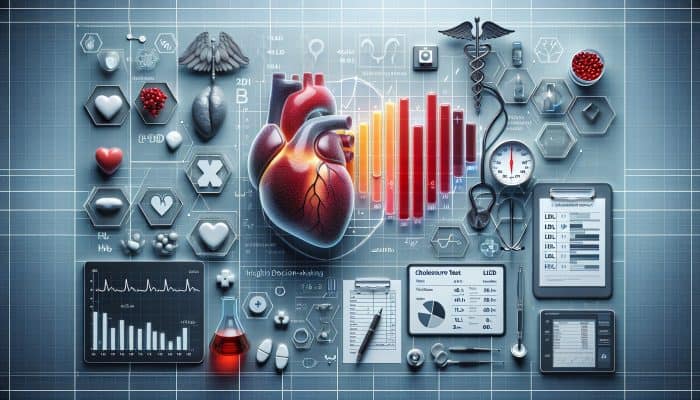
The results of a cholesterol blood test offer critical information regarding your risk of heart disease. Elevated LDL levels often indicate an increased risk for cardiovascular issues, while high HDL levels signify good cardiovascular health. Moreover, triglyceride levels can provide important insights about your metabolic health. Equipped with this information, individuals and their healthcare providers can make informed decisions about necessary lifestyle changes or medical treatments aimed at enhancing heart health. Understanding these metrics is vital for maintaining and improving your overall well-being.
Monitoring Health Trends Over Time: The Significance of Regular Testing
Consistent cholesterol testing enables individuals to observe trends in their health metrics over time. By comparing results from various tests, you can gain insights into how your lifestyle choices and health interventions affect your cholesterol levels. This longitudinal perspective facilitates informed decision-making regarding your health management strategies. It empowers you to take control of your health journey and make necessary adjustments, ultimately leading to improved long-term outcomes and a better quality of life.
How to Prepare Effectively for Your Cholesterol Blood Test
Understanding Fasting Guidelines to Ensure Accurate Test Results
Preparation for a cholesterol blood test typically necessitates fasting for 9 to 12 hours prior to the test. This fasting requirement involves abstaining from all food and drink, except for water. Fasting is crucial as it helps ensure the accuracy of your test results by providing a clearer representation of your baseline cholesterol levels. It is important to schedule your appointment accordingly to accommodate this fasting requirement, allowing for precise measurements that effectively inform your health status and support better management of your cholesterol levels.
What to Anticipate During the Cholesterol Testing Procedure
During the cholesterol blood test, you can expect a straightforward and efficient procedure designed to minimize any discomfort. A healthcare provider will first disinfect the area where they plan to draw blood, typically from your arm, and then insert a needle to collect a small sample. While some individuals might feel mild discomfort during the needle insertion, the process is generally quick and uncomplicated. After the sample is collected, a bandage will be placed on the site. The entire experience is intended to be as comfortable as possible, allowing you to resume your daily activities soon after the test.
How to Access Your Cholesterol Test Results Efficiently
Once your blood sample is collected, it is sent to a laboratory for detailed analysis. Typically, results are available within a few days. You can request your results directly from your healthcare provider, who will discuss them with you in detail. This conversation represents a vital opportunity to understand what the numbers indicate about your health and to gain insights into any necessary next steps. If your cholesterol levels are outside the normal range, your GP will provide guidance on appropriate actions, which may include lifestyle changes or additional medical interventions to improve your results.
Locating Cholesterol Testing Services in Eccles
Accessing Cholesterol Testing at Local General Practice Surgeries
Numerous GP surgeries in Eccles offer cholesterol testing as part of their standard health assessments. It is advisable to contact your local surgery in advance to confirm availability and to schedule an appointment. These tests are often included in routine health check-ups and can be conducted during your regular visits. By utilizing the services provided by your GP, you benefit from personalized care, along with the opportunity to discuss your results with a qualified healthcare professional who is familiar with your medical history and overall health status.
Exploring Private Clinics for Convenient Cholesterol Testing Options
For those seeking a more immediate or convenient alternative, private clinics in Eccles offer cholesterol blood testing services. These clinics typically feature shorter waiting times and flexible hours, making it easier to integrate testing into your busy schedule. When selecting a private clinic, consider comparing the services offered alongside the associated fees. Many clinics provide comprehensive packages that include consultations on lifestyle changes based on your test results, adding significant value to your experience and health management journey.
Utilizing Pharmacy Services for Quick Cholesterol Testing Solutions
Certain pharmacies in Eccles also provide cholesterol testing as part of their health services. This can be a highly practical and convenient option, especially for individuals looking for quick results without needing a formal appointment. Pharmacy-based testing generally involves a finger-prick test, which offers immediate feedback on your cholesterol levels. This method is particularly beneficial for those who may have difficulty accessing traditional medical facilities or who prefer a more informal setting for their health assessments and ongoing monitoring.
Decoding Your Cholesterol Test Results
Interpreting Your Cholesterol Numbers and Their Implications for Your Health
Cholesterol test results are typically expressed in millimoles per liter (mmol/L). Generally, a healthy cholesterol profile consists of high levels of HDL, low levels of LDL, and low triglyceride levels. HDL levels above 1.0 mmol/L are usually considered protective against heart disease, while LDL levels should ideally remain below 3.0 mmol/L. Additionally, triglycerides should be maintained below 1.7 mmol/L to ensure optimal cardiovascular health. Understanding these figures is pivotal for evaluating your current health status and determining the necessary steps to enhance your heart health effectively.
What Constitutes a Healthy Cholesterol Range?
A total cholesterol level below 5 mmol/L is generally considered healthy; however, individual targets can vary based on personal health factors such as age, family history, and existing medical conditions. It is essential to discuss your specific numbers with your GP, who can assist in interpreting what these figures signify in the context of your overall health and guide you towards appropriate management strategies. Establishing personalized targets based on your unique health profile allows for tailored approaches to cholesterol management and overall cardiovascular health improvement.
When to Seek Further Medical Consultation Regarding Your Cholesterol Levels
If your cholesterol levels exceed the normal range, it is crucial to consult your GP for further advice. Elevated LDL or triglyceride levels may necessitate lifestyle changes, ongoing monitoring, or even medication. Your GP can conduct a comprehensive evaluation and recommend the most suitable next steps tailored to your individual circumstances. Addressing any abnormalities swiftly is essential for preventing potential cardiovascular complications in the future, ensuring that you maintain optimal heart health.
Recommended Frequency for Cholesterol Testing
The general guideline is to have your cholesterol levels checked every 4-6 years for adults. However, individuals with risk factors such as a family history of heart disease, diabetes, or high blood pressure should consider more frequent testing. Consistent monitoring helps ensure that any changes in your cholesterol levels are detected early, allowing for timely intervention. Your GP can provide specific advice on the appropriate frequency of testing based on your health status, lifestyle choices, and individual risk factors.
Effective Lifestyle Changes That Can Help Lower Your Cholesterol Levels
Implementing healthy lifestyle changes plays a crucial role in effectively managing cholesterol levels. Some impactful modifications to consider include:
- Consuming a balanced diet rich in fruits, vegetables, and whole grains
- Incorporating regular physical activity into your daily routine
- Quitting smoking to improve HDL levels
- Maintaining a healthy weight through mindful and nutritious eating
- Limiting saturated and trans fats in your diet
- Considering moderate alcohol consumption
- Including omega-3 fatty acids from sources like fish in your meals
These adjustments not only positively impact cholesterol levels but also enhance overall cardiovascular health, leading to improved quality of life and well-being.
Expert Insights on Cholesterol Blood Testing in Eccles
Real-Life Success Stories Demonstrating the Impact of Cholesterol Testing in Eccles
In Eccles, numerous healthcare providers have shared success stories illustrating how patients have greatly benefited from regular cholesterol testing. For instance, one local GP reported a case where a patient with a family history of heart disease successfully maintained their health by adhering to a structured testing schedule. By consistently monitoring their cholesterol levels, this patient was able to implement informed dietary changes that led to improved lipid profiles and a reduced risk of cardiovascular complications. Such narratives highlight the importance of proactive health management through routine testing.
- Empowerment through knowledge and proactive health management
- Reduction in heart disease risk through early detection
- Ability to customize personal health strategies based on test results
- Enhanced collaboration between patients and healthcare providers
These examples emphasize the importance of regular testing as a powerful tool for achieving better health outcomes and enhancing overall well-being.
Actionable Steps for Effectively Managing Your Cholesterol Levels
Healthcare experts recommend several actionable steps for successfully managing cholesterol levels. Firstly, prioritizing regular testing is essential to monitor changes over time. Maintaining a balanced diet rich in whole foods and adhering to a structured exercise regimen are critical for effective cholesterol management. Additionally, patients are encouraged to engage in open discussions with their GP about their results to develop personalized plans that specifically address their individual health needs and goals.
- Schedule regular cholesterol testing to monitor levels
- Incorporate whole grains and healthy fats into your diet
- Engage in at least 150 minutes of moderate exercise each week
- Consult with your GP to discuss results and outline strategies
These actionable steps empower individuals to take control of their cardiovascular health and make informed choices that lead to improved health outcomes.
Expert Analysis of Cholesterol Trends in Eccles
Local health experts have conducted analyses on cholesterol trends in Eccles, noting a significant increase in awareness regarding heart health issues. Community health initiatives have encouraged regular screenings, leading to early detection of high cholesterol levels among residents. This trend has sparked a rise in public health campaigns aimed at educating the population about the importance of cholesterol management. The data collected has been instrumental in shaping community health initiatives that focus on enhancing awareness and promoting healthier lifestyle choices for the residents of Eccles and its surrounding areas.
Effective Strategies for Lowering High Cholesterol Levels
Dietary Changes to Implement for Reducing Cholesterol
Making dietary modifications is pivotal in effectively lowering cholesterol levels. A diet that is low in saturated fats and high in fiber can significantly enhance lipid profiles. Foods such as oats, nuts, legumes, fruits, and vegetables are particularly beneficial. Increasing your intake of soluble fiber found in oats and barley may assist in reducing LDL cholesterol levels. Additionally, incorporating healthy fats from sources like avocados and olive oil can help boost HDL cholesterol levels. These dietary shifts not only aid in managing cholesterol but also contribute to overall health enhancement and well-being.
The Vital Role of Regular Exercise in Cholesterol Management
Engaging in consistent physical activity has a profound impact on cholesterol levels. Participating in aerobic exercise helps to elevate HDL (good) cholesterol while lowering LDL (bad) cholesterol levels. Aim for a minimum of 150 minutes of moderate activity each week, such as brisk walking, cycling, or swimming. Even simple activities like gardening or choosing the stairs over the elevator can positively contribute to your cholesterol management efforts. Incorporating regular exercise into your lifestyle not only helps with cholesterol control but also enhances overall cardiovascular health, fitness, and mental well-being.
Exploring Medications and Supplements for Effective Cholesterol Management
For individuals whose cholesterol levels remain elevated despite lifestyle changes, medications may become necessary. Statins are commonly prescribed and have proven effective in lowering LDL cholesterol levels. Your GP will evaluate your health status and determine if medication is appropriate for your unique situation. Furthermore, certain supplements, such as fish oil, may assist in improving cholesterol levels and overall heart health. It is essential to discuss any potential supplements or medications with your healthcare provider to ensure they align with your overall health goals and treatment plan.
The Health Risks Associated with Elevated Cholesterol Levels
Understanding the Connection Between High Cholesterol, Heart Disease, and Stroke
Elevated cholesterol levels present significant health risks, notably increasing the likelihood of heart disease and stroke. High LDL levels can lead to plaque accumulation in arteries, narrowing blood vessels and restricting blood flow. This condition may result in serious cardiovascular events, such as heart attacks and strokes, making it critical to manage cholesterol levels effectively. Regular testing, along with proactive health measures, is essential in mitigating these risks and maintaining cardiovascular health over the long term.
Identifying Peripheral Artery Disease as a Serious Complication of High Cholesterol
Another serious condition linked to high cholesterol levels is peripheral artery disease (PAD). This condition occurs when arteries supplying blood to the limbs become narrowed or blocked due to atherosclerosis. Individuals with PAD may experience discomfort in their legs or reduced blood flow, leading to mobility issues. Recognizing the signs and symptoms of PAD is crucial, as it can indicate underlying cardiovascular concerns that necessitate immediate attention and intervention to prevent further health complications.
Preventive Strategies to Manage Cholesterol-Related Risks Effectively
Preventing the risks associated with high cholesterol involves a comprehensive approach, with regular cholesterol testing serving as the foundation for early detection and intervention. Combined with a nutritious diet, consistent exercise, and adherence to your GP’s recommendations, you can significantly lower your risk of heart disease and related complications. Engaging in healthy lifestyle choices, such as maintaining a healthy weight and avoiding tobacco use, further enhances your cardiovascular health, contributing to your overall wellness and quality of life.
Community Health Initiatives Promoting Cholesterol Awareness in Eccles
Engaging Local Health Campaigns to Elevate Cholesterol Awareness
Eccles is home to various health campaigns aimed at increasing awareness about cholesterol and heart health. These initiatives encourage residents to participate in regular cholesterol testing while educating them about the consequences of elevated cholesterol levels. Campaigns often include community events, health fairs, and informational workshops that foster understanding and proactive management of cholesterol. By nurturing community engagement, these initiatives strive to cultivate a culture of health awareness that empowers individuals to take charge of their cardiovascular health and overall well-being.
Educational Workshops for Informed Cholesterol Management
Educational workshops in Eccles provide invaluable insights into cholesterol management, emphasizing the significance of regular testing and informed lifestyle choices. These workshops frequently feature healthcare professionals who share knowledge on dietary modifications, exercise regimens, and effective strategies for managing cholesterol levels. Participants benefit from personalized advice and the opportunity to ask questions, ultimately equipping them with the knowledge necessary to make informed health decisions and improve their long-term health outcomes.
Support Groups and Resources for Effective Cholesterol Management
Support groups in Eccles offer a community for individuals managing high cholesterol. These groups provide a platform for sharing experiences, challenges, and successes related to cholesterol management. Participants gain access to valuable resources and encouragement, aiding them in staying motivated on their journey towards better health. By fostering a supportive atmosphere, these groups play a critical role in promoting lasting lifestyle changes and enhancing overall cardiovascular health within the community, reinforcing the importance of collective wellness.
Frequently Asked Questions Regarding Cholesterol Testing
What exactly is a cholesterol blood test?
A cholesterol blood test measures the levels of good (HDL) and bad (LDL) cholesterol, along with triglycerides, to assess heart health and overall cardiovascular risk.
How often should I get tested for cholesterol levels?
It is generally recommended for adults to have their cholesterol checked every 4-6 years. Those with risk factors, such as a family history of heart disease or diabetes, should consider more frequent testing to monitor their health effectively.
What do the cholesterol numbers signify for my health?
Cholesterol levels are expressed in mmol/L. A healthy total cholesterol level should be below 5 mmol/L, with HDL levels above 1.0 mmol/L and LDL levels below 3.0 mmol/L for optimal heart health.
Is fasting necessary before a cholesterol test?
Yes, it is typically recommended to fast for 9-12 hours prior to the test for accurate results, consuming only water during this fasting period.
Where can I access a cholesterol test in Eccles?
You can obtain a cholesterol test at local GP surgeries, private clinics, or even at some pharmacies in Eccles that provide health testing services.
What actions should I take if my cholesterol levels are elevated?
If your cholesterol levels are high, consult your GP for tailored advice on lifestyle changes and potential medications to manage your levels effectively while improving your heart health.
What lifestyle changes can contribute to lowering cholesterol levels?
Adopting a diet low in saturated fats, increasing physical activity, and quitting smoking can significantly help lower cholesterol levels and improve overall cardiovascular health.
Can stress affect my cholesterol levels?
Yes, chronic stress can negatively impact overall health, including cholesterol levels. Managing stress through healthy coping mechanisms is important for maintaining good cardiovascular health.
What foods should I avoid if I have high cholesterol?
Avoid foods that are high in saturated and trans fats, including fried foods, fatty cuts of meat, and processed snacks, to help manage cholesterol levels effectively.
Is the cholesterol testing procedure painful?
The cholesterol blood test is generally quick and involves minimal discomfort, primarily from the needle used to draw blood; it is not regarded as a painful procedure.
Connect with us on Facebook!
This Article Was First Found On https://bloodtest.co.uk
The Article Cholesterol Blood Test: Your Guide to Health in Eccles Was Found On https://limitsofstrategy.com


No responses yet