When individuals seek a pest control service, their expectation often involves the immediate disappearance of every lingering spider within their residence by the following morning. However, the reality of spider removal is considerably more complex. Unlike other pests such as cockroaches or ants, spiders exhibit unique behaviors and characteristics that present a more significant challenge in the field of pest management. It’s essential to understand these complexities to effectively tackle spider infestations.
At So Pest Off, we frequently encounter questions from homeowners who have recently undergone a general pest control treatment, only to be surprised by the ongoing presence of certain spiders in their homes. This article delves into the specific challenges linked to spider control, outlines realistic expectations regarding treatment outcomes, and provides actionable strategies for maintaining a spider-free home over the long term.
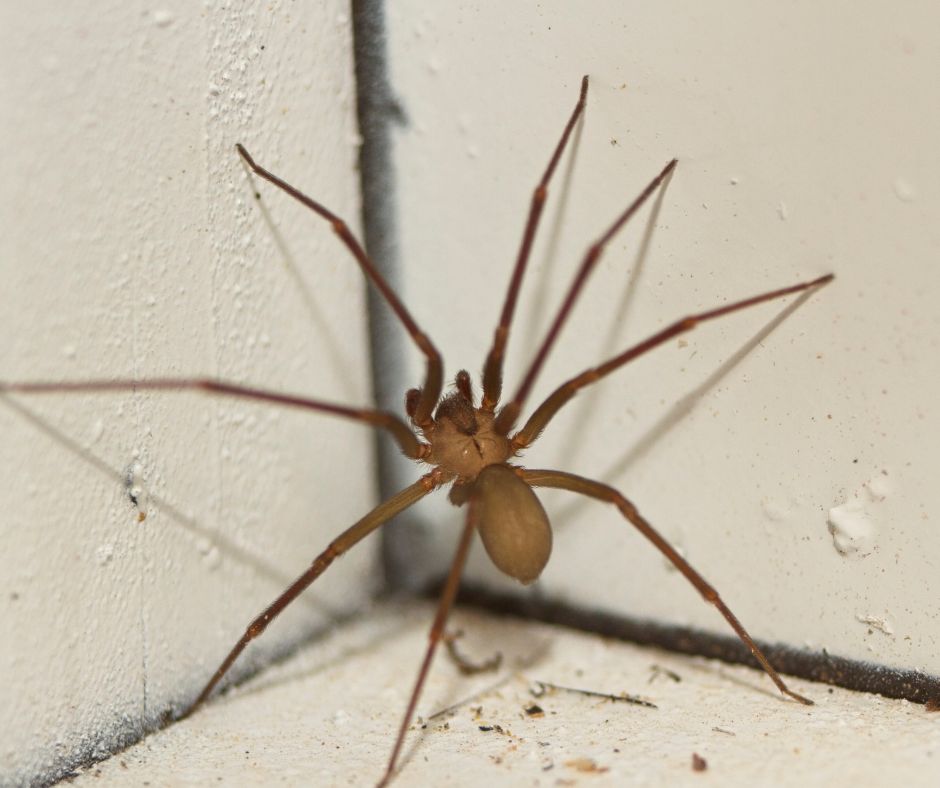
Understanding the Intricacies of Spider Control Compared to Other Common Household Pests
Spiders are often regarded as among the most misunderstood pests that inhabit Sydney homes. While insect sprays and protective barriers prove highly effective against ants, cockroaches, and silverfish, spiders possess distinct biological traits and behaviors that complicate their management and elimination. This complexity requires a deeper understanding of their habits to develop effective control strategies.
1. Exploring the Unique Anatomy of Spiders and Their Impact on Pest Control
The majority of spiders possess thick, hairy exoskeletons that serve as a form of protective armor, making it challenging for insecticides to penetrate effectively. Unlike cockroaches and ants, spiders do not groom themselves, which leads to minimal ingestion of pesticides from treated surfaces. This biological aspect contributes to their remarkable resilience against conventional pest control methods, necessitating a tailored approach to spider management.
2. Analyzing Behavioral Patterns That Limit Spider Exposure to Treatments
Spiders operate as predatory hunters, rather than scavengers, significantly decreasing their likelihood of coming into contact with treated surfaces. They prefer to hide in gaps, ceilings, garages, and gardens, spending very limited time on the floors or walls that have been treated. As a result, their restricted exposure to pesticides often means they remain unaffected once the spray dries, which complicates efforts to achieve effective spider control and necessitates innovative approaches to their management.

Recognizing Common Spider Species in Sydney and Their Specific Control Challenges
The warm climate and vibrant suburbs of Sydney provide an ideal habitat for a diverse range of spider species. Below, we detail some of the most commonly encountered species along with the unique management challenges each presents:
Huntsman Spiders: Quick and Elusive (including Badge and Tropical Huntsman)
Huntsman spiders are large, fast-moving creatures often spotted on walls and ceilings. Despite their intimidating size, they are generally non-venomous and pose minimal threat to humans. However, their rapid movements and robust exoskeleton make them quite challenging to eliminate upon contact with pesticides, requiring specialized techniques for effective management.
Wolf Spiders: Nocturnal Ground Dwellers
These ground-dwelling hunters inhabit lawns and burrows, remaining active during the night. Their dense hair and nocturnal habits render them resistant to surface sprays, necessitating soil-targeted treatments or barrier methods to achieve effective control in their natural habitats. Understanding their behavior is key to successful management.
Funnel-Web Spiders: One of Australia’s Most Dangerous Species
Known as one of the most dangerous spiders in Australia, funnel-web spiders are burrowing creatures that rarely traverse open, treated surfaces. Their behavioral patterns significantly reduce their exposure to standard sprays, necessitating specialized treatments from licensed professionals to ensure effective management and safe removal.
Redback and Black House Spiders: Common Yet Manageable
These spiders are often found around sheds, garages, and outdoor furniture. They favor sheltered, dry locations, and their untidy webs frequently serve as visual indicators of their presence. Fortunately, pest control methods are typically effective against these species, allowing homeowners to maintain a comfortable and safe environment.
Orb-Weaving and Branded Orb Spiders: Beneficial Garden Residents
As harmless garden inhabitants, orb-weaving spiders construct large, intricate webs in open spaces. While they play a crucial role in controlling insect populations, their presence can be unwelcome near doorways, decks, or play areas, prompting homeowners to seek effective management strategies for balancing ecological benefits and aesthetic preferences.
Brown Trapdoor and Eastern Mouse Spiders: Hidden Challenges (including Red-Headed Mouse Spider)
These burrowing species create camouflaged tunnels in gardens and lawns. They often show resistance to sprays and typically require soil-targeted or barrier treatments for effective management, which poses challenges for traditional pest control methods. Their concealed nature makes them particularly difficult to address without specialized approaches.
White-Tailed Spiders: Common Indoor Dwellers
Frequently found indoors, especially in clothing, bedding, and bathrooms, white-tailed spiders can deliver painful bites, although they do not cause necrosis. These active hunters are continually on the move, making management challenging, as sprays only affect them immediately after application, requiring ongoing vigilance and treatment.
Understanding the Mechanism of Insect Sprays and Their Effectiveness in Pest Control
Most insecticides used in Australian pest control are classified as residual sprays, which means they maintain efficacy on surfaces for weeks following application, thus enhancing their effectiveness in managing pests.
Their effectiveness is observed in three distinct stages:
- Contact: The pest traverses a treated surface, coming into direct contact with the pesticide.
- Transfer or Ingestion: The pest grooms itself, inadvertently consuming the chemical residue.
- Absorption: The pesticide penetrates the exoskeleton, impacting the nervous system and leading to mortality.
This process proves highly effective for pests such as cockroaches, ants, silverfish, and fleas. However, it is less effective for spiders, who do not engage in grooming behaviors or spend substantial time on treated areas, thereby complicating effective spider management.
Nonetheless, spider treatments offer several benefits, including:
- Creating barrier protection: any spider crossing treated areas risks exposure to the pesticide, which can deter their presence.
- Reducing their food supply: fewer insects lead to fewer spiders in your home, which can significantly decrease their population over time.
- Acting as a deterrent: most spiders tend to avoid areas with a chemical smell or feel, which can create a less hospitable environment for them.
Addressing Common Misunderstandings About Spider Pest Control
We frequently encounter various misconceptions regarding spider control, so let’s clarify the facts:
- “If I see a spider after a spray, it didn’t work.” This is misleading. Spiders are less affected by dry residues. The treatment is effectively working by eliminating their food sources and gradually reducing their population over time.
- “The spray should kill everything instantly.” Modern pest control chemicals are designed to be safe for families and pets, which results in slower action for effective management of pests.
- “If I still see one or two spiders, the job failed.” Encountering occasional spiders is normal. The primary goal is to prevent infestations, not to eliminate every single spider.
- “All spiders should die after a general pest control.” Ground-dwelling spiders, like Wolf or Funnel-web, reside in soil or burrows and require specialized treatments for effective management.
- “If I don’t see dead spiders, nothing happened.” Many die in concealed locations or outside the premises. Success is best measured by fewer sightings over time, rather than visible corpses.
- “Pest control means my home will be spider-free forever.” No pest control method can permanently prevent spiders from entering. The focus is on risk reduction and ongoing maintenance, rather than expecting a one-off miracle solution.
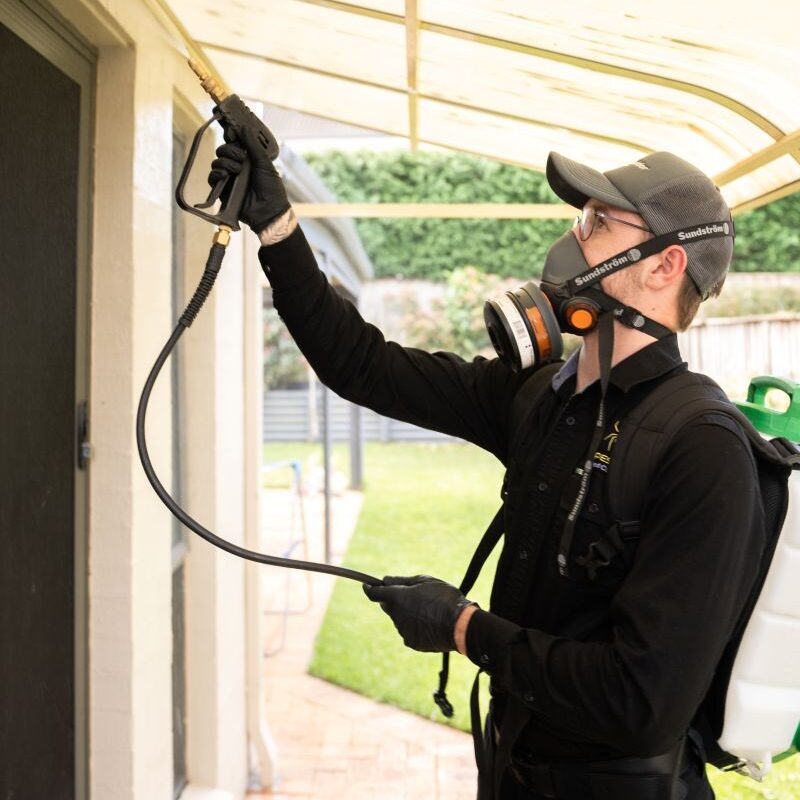
Implementing Proactive Strategies to Prevent Spider Infestations in Your Home
Pest control represents only one aspect of the solution; ongoing maintenance and proactive prevention are crucial for effectively reducing spider populations. To achieve this, homeowners must adopt a holistic approach.
Here’s what our experts recommend for maintaining a spider-free environment:
- Schedule regular treatments every six months to ensure chemical barriers remain effective and continue to protect your home from spider invasions.
- Seal entry points by closing gaps around windows, vents, and underneath doors to prevent spiders from gaining access to your living spaces.
- Minimize outdoor lighting, as bright lights attract insects, which in turn draw spiders to your property, creating a cycle of infestation.
- Declutter both indoors and outdoors; spiders prefer quiet, undisturbed corners where they can thrive, so keeping spaces tidy can deter them.
- Regularly sweep away webs to discourage new spiders from settling in and making your home their habitat, reducing their overall presence.
If you notice an increase in spider activity between treatments, your technician may suggest a targeted spider flush or dusting treatment around exterior eaves and wall junctions to effectively address the issue and restore balance in your home.
Setting Realistic Expectations for Spider Control Results
Managing spider populations is a matter of control rather than instant elimination. Once pesticide residues dry, spiders are significantly less affected than crawling insects. However, through regular treatments and diligent property maintenance, you can substantially decrease spider numbers and prevent future infestations, ensuring a safer living environment.
At So Pest Off, we employ advanced pest management techniques combined with a comprehensive understanding of Sydney’s spider species to customize our approach to meet your needs effectively.
Engage Professional Spider Control Services to Safeguard Your Sydney Home
If spiders are causing distress in your home or workplace, do not hesitate to take action. So Pest Off offers safe and family-friendly spider pest control services throughout Sydney’s Hills District, North Shore, and Western Suburbs.
We will conduct a thorough inspection of your property, identify the specific spider species present, and apply the most effective treatment, ensuring your home remains safeguarded long after our visit.
Contact So Pest Off today to schedule a comprehensive spider inspection and reclaim your peace of mind.
The Article: Spider Pest Control: Understanding the Challenges of Elimination first appeared on https://writebuff.com
The Article Spider Pest Control Challenges: Effective Elimination Strategies Was Found On https://limitsofstrategy.com


No responses yet